

BREASTFEEDING SUPPORT GROUPS
MILK LACTATION PRODUCTS
ADVICE WHEN PUMPING OUT
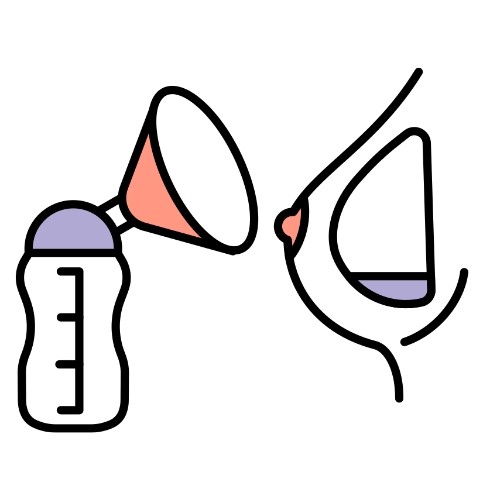
- A guide to breastpumping There are many reasons to pump breast milk. You may want to store milk for when you are away from your baby, for when you go back to work, your baby might be unable to latch. You want to give your baby breastmilk but don’t want to feed directly from the breast. You might want to increase your milk supply. Suffering from mastitis or need to drain your breasts to help healing.
- The only thing that can increase your milk is feeding or pumping more frequently. Check out powerpumping Remember that power pumping will not make a difference overnight.
- You are not going to pump out 150ml of milk with your first session and pumping is no indication of your milk supply. There are many factors that affect the amount of milk you pump out. No pump empties your breasts as effectively as your baby and you need to get pump fit.
- Do I need a freezer stash? Having a milk stash can provide peace of mind and allow you to have a backup supply of breast milk in case you are unable to breastfeed your baby. This may be useful if you’re sick, need to travel or away from your child unexpectedly. But unless there is a specific reason for truly requiring a huge surplus of milk, you do not need to stress yourself out by pumping even more than you already need to.
- Please do proper homework and research BEFORE you buy a pump. Recommended pumps include Medela, Freemie, Spectra, BabyWombWorld, or a cheaper manual option is the Clicks pump. Tommee Tippee pumps are not recommended. The silicone pumps are also not great and cannot be used when you want to pump all your missed feeds. The reason for this is that they does not stimulate and empty your breasts enough, which means your body thinks it should make less milk – because less milk is taken out, so your supply drops slowly until one day you realise your milk supply is suddenly low. How to choose the right breastpump
- Breastfeeding and going back to work. It’s best to begin pumping at least two weeks before you return to work even if you only get 30ml a day, that will be enough and a little milk becomes a lot of milk.
- A breastfed baby’s feeds are not worked out the same as a formula baby’s. So, age and weight do not matter here. Your baby will always drink 37.5ml per hour until the baby decides much later on (usually only after 1 year or even later) that he / she wants fewer bottles. This means that if your baby drinks every 2 hours, for example, you will give 75ml of milk in a bottle every 2 hours. This is never going to change because your milk changes to suit baby’s needs.
- Paced feeding is a MUST if you do not want baby to suddenly start refusing your breast because it is easier to drink bottle. Paced Bottle Feeding is a method of bottle feeding that allows the infant to be more in control of the feeding pace. This feeding method slows down the flow of milk into the nipple and the mouth, allowing the baby to eat more slowly, and take breaks. Check out the Paced bottle feeding video here.
- You will have to follow a STRICT pumping schedule. Pumping on a schedule may help you to keep up your milk supply. But it might take some trial and error to figure out an exclusive pumping schedule that works for you.
With a newborn, you may start pumping 8 to 10 times per day. That’s how often your baby may need to eat.
As your baby grows, you may go down to five to six pumps per day. 3 Months: Pump 5 to 6 times a day. 6 months: Pump 4 times a day - Do not compare yourself to other moms. Each mom’s storage capacity differs. One mom may have to pump much more frequently to get the same amount as another mom who can wait much longer between sessions.
- If you see your supply start to dip, check the following that may have an impact:
Have you recently started menstruating again?
Are you possibly pregnant?
Do you drink enough water?
Do you follow a strict schedule without skipping sessions?
When was the last time you replaced your pump parts? They should be replaced regularly (about every 6 months). There may be small cracks in them that cannot be seen with the naked eye.
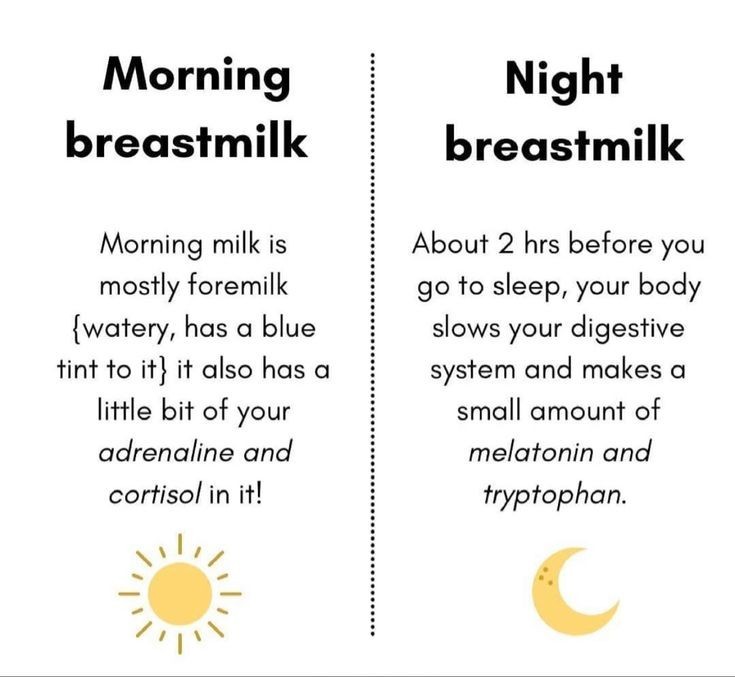
Any change in your life that cause extra stress? - You usually get more milk in the morning sessions, so try to work in a proper session early in the day.
- It’s perfectly normal for one breast to make more milk than the other.
- It is not necessary to wash your pump and parts after each session at work. You can just store everything in a cooler bag and wash it with warm soapy water when you get home each evening.
Research tells us that exclusively breastfed babies take in an average of 750ml per day when they are 1 to 6 months old. A typical range of milk intake is 570ml to 900ml per day.
Use these steps to work out the amount of breast milk your baby will need:
Estimate the number of times that your baby breastfeeds per day (in 24 hours).
Divide 750ml by the number of breastfeeds.
This gives you a rough guide for the amount of expressed milk your exclusively breastfed baby will need at one feeding.
For example, if your baby usually breastfeeds around 8 times per day, you can guess that they might need around 94ml of expressed breast milk per feeding.
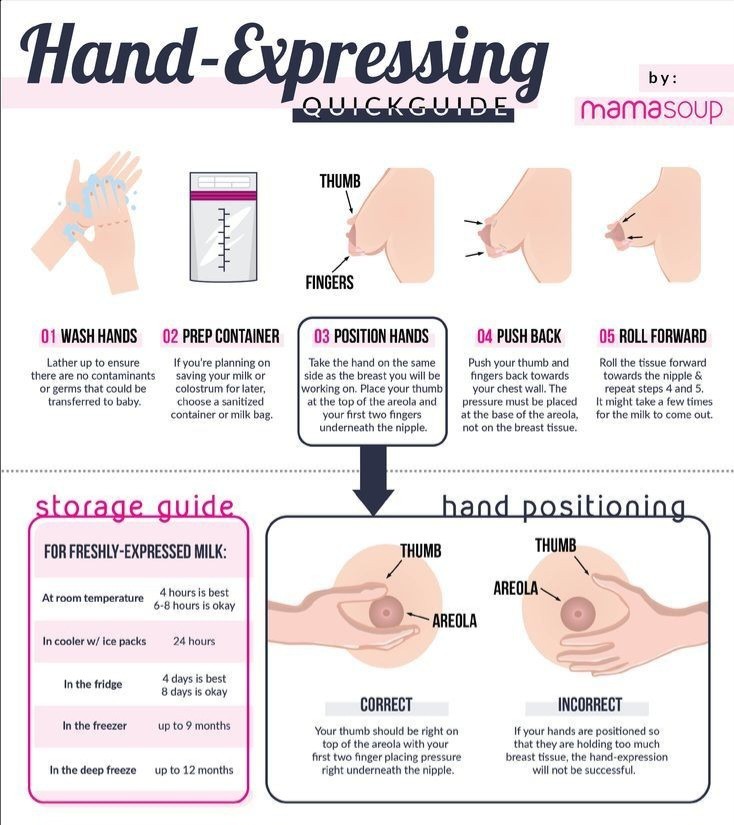
How to hand express?
By donating your excess breastmilk, you will make a difference to vulnerable, very low birthweight babies in South Africa. Your breast milk will protect a baby from infection, which means a shorter hospital stay. If you are interested in donating your excess breast milk follow
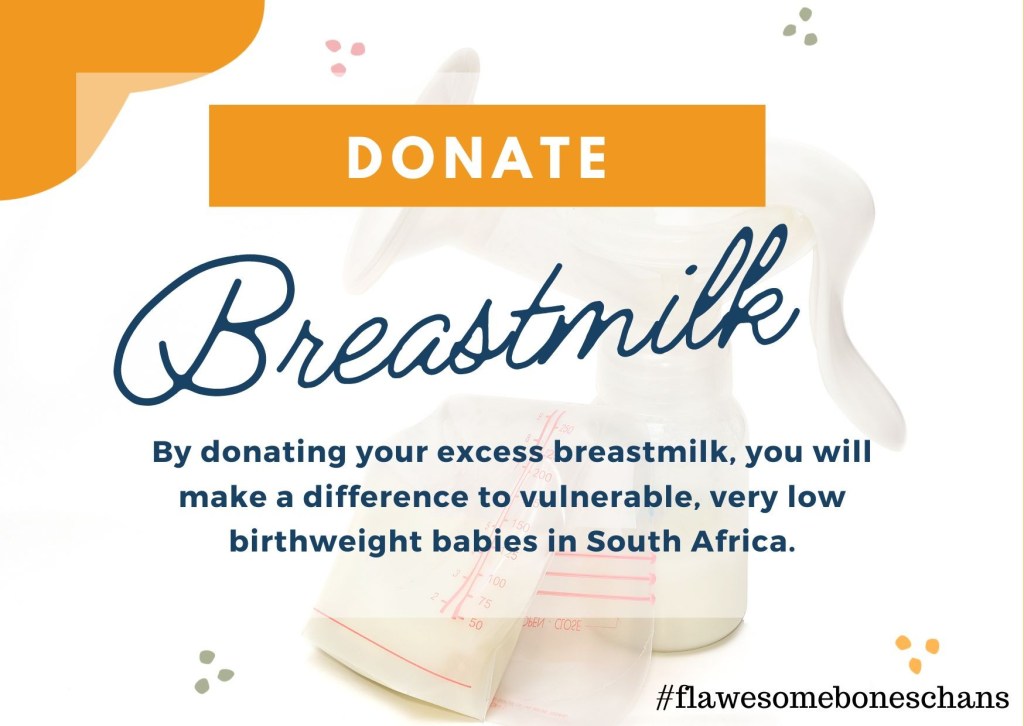
When every feed counts, your Breastmilk helps tiny infants thrive!!
Donate today by registering on www.sabr.org.za
 Flawsome Boneschans